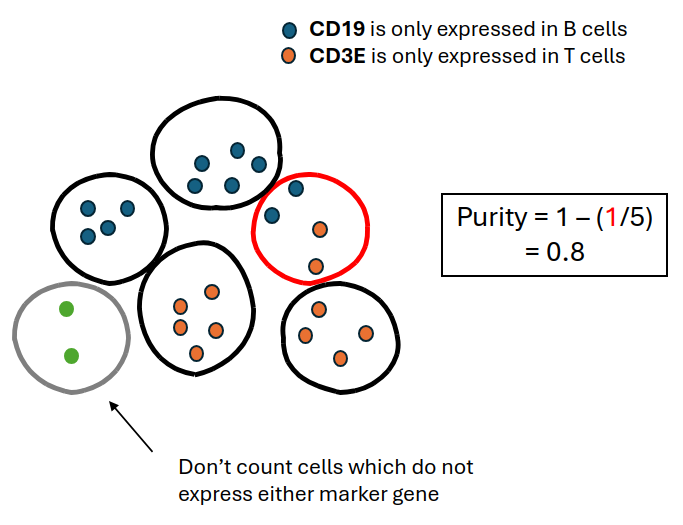
 Assesses cell segmentation quality in spatial transcriptomics data by identifying cells that co-express mutually exclusive marker genes. Produces negative-coexpression segmentation purity metrics and supports Xenium, Seurat, and SpatialExperiment objects. Described in our preprint.
Software
Open-source tools I’ve built for spatial transcriptomics, single-cell analysis, and AI-driven bioinformatics — on my GitHub and the Santangelo Lab’s.
CRISP
Stringency
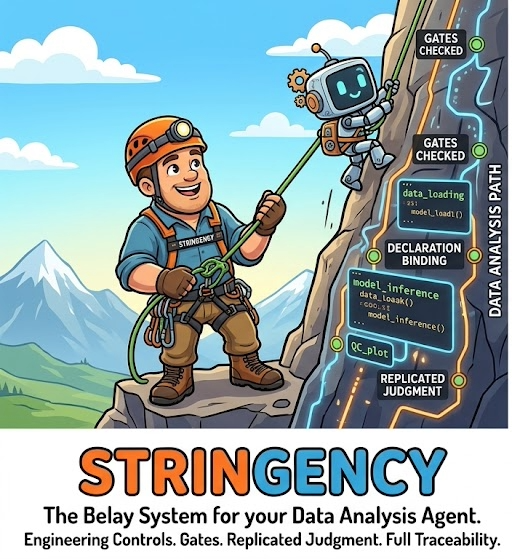 Guardrails for AI agents that analyze biological data. Stringency checks that an analysis plan is statistically sound before any code runs, keeps a tamper-proof log of every step the agent takes, and pauses at key decisions until a person signs off — so you can trust, reproduce, and audit what the agent did.
Xenium analysis toolkit
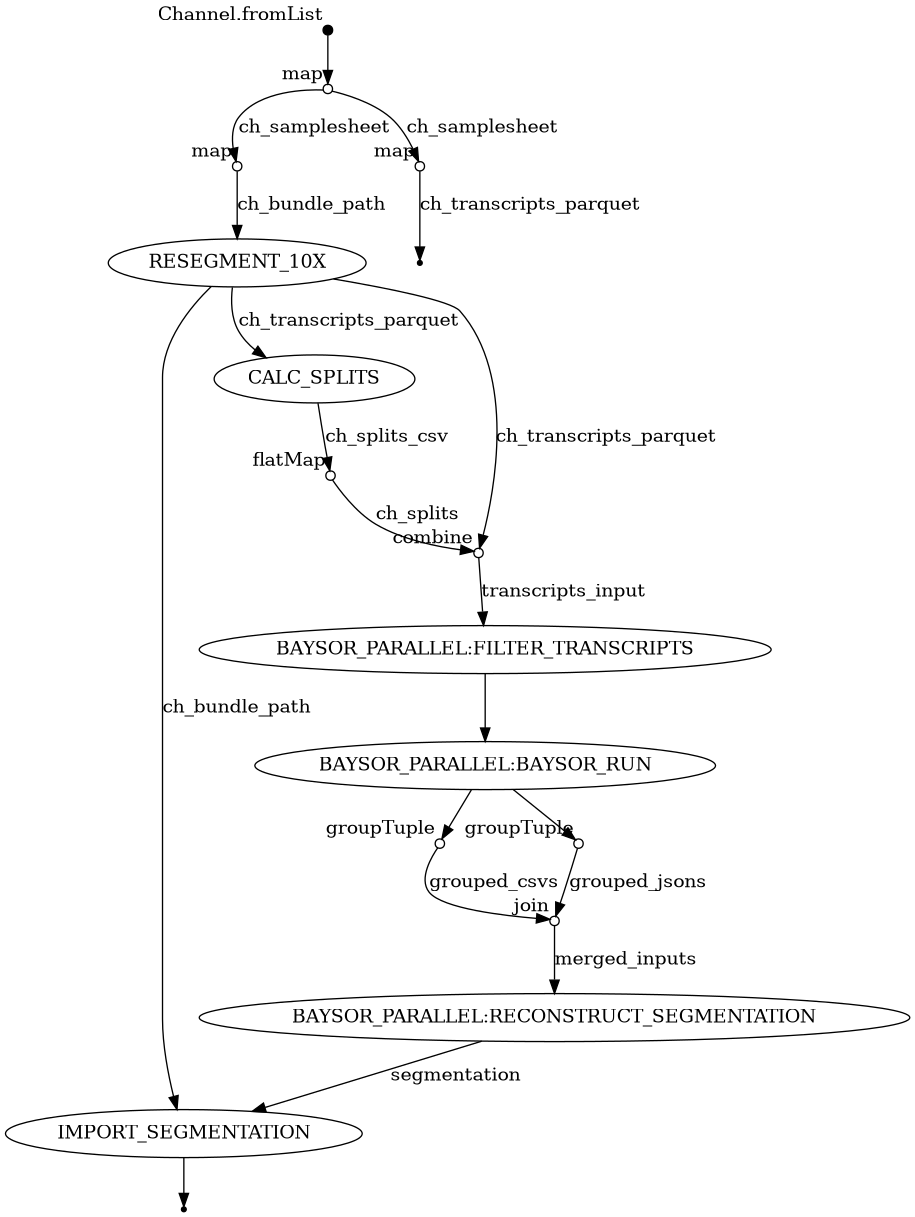
Xen_Segmentation_NextFlow — Nextflow pipeline for generating alternative cell segmentations (nuclear expansion, Baysor, and others) for 10x Xenium in situ data.
Xen_TMA_pipeline — splits multi-punch tissue microarrays into per-sample datasets for downstream analysis.
Xen_Seurat_Pipeline — Seurat-based processing: QC, normalization, integration, clustering, and annotation in a reproducible workflow.